What is regenerative agriculture?
Degenerative, generative and regenerative farming — and why a permanent plant cover changes everything.
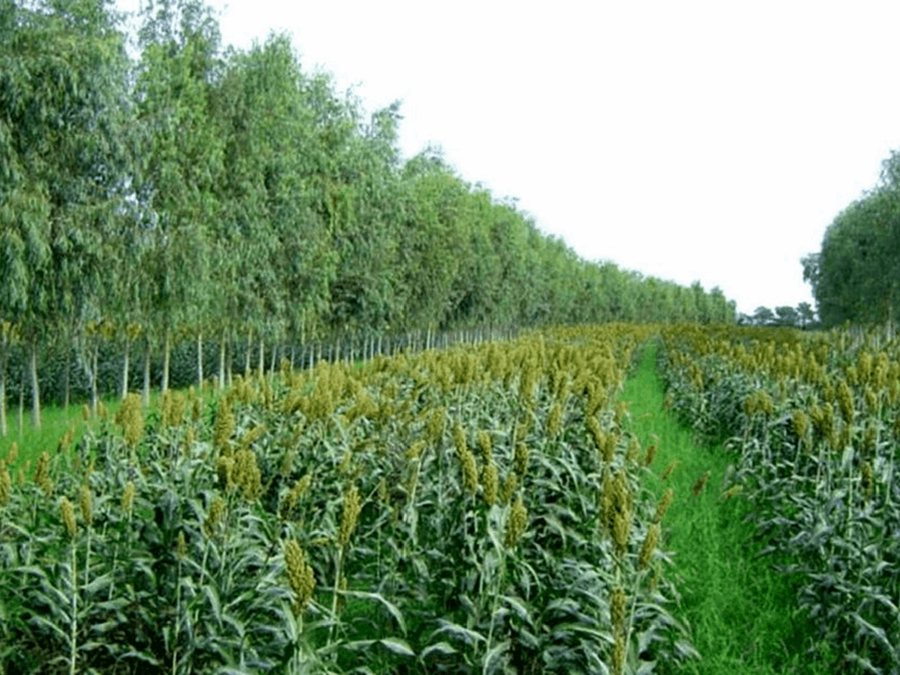
Regenerative agriculture has functioned for 4,000 years without interruption, and it is the most productive form of agriculture and gardening. It is 100 per cent biological and it works inside nature's biological cycle. That is a large claim, so it is worth looking at what the different kinds of farming actually do to a soil.
Four thousand years of proof
The record is not a theory. Farmers of Forty Centuries; Or, Permanent Agriculture in China, Korea, and Japan, published in 1911, sets out how regenerative forms of cultivation preserved the fertility of the soil and a high yield across four thousand years. The mechanism it describes is simple to state: every output is drawn back into the next link of the production cycle, the soil–plant–animal circuit, so that nothing leaves the farm as waste.
That is the whole of the idea. Everything else, from the compost and the cover crops to the animals and the rotations, is a way of keeping that circuit running.
Three qualities of farming
Agriculture can be degenerative, generative or regenerative. The three words do not describe a set of tools so much as a direction: whether a farm is fighting nature or collaborating with it. Degenerative agriculture is always built on reductionist thinking, with complicated plans that are always about fighting nature. Regenerative agriculture is built on holistic thinking, on complex models and solutions, and it includes nature as much as it possibly can.
In Denmark and comparable countries there are three familiar systems on the ground: conventional, organic and biodynamic. Where each of them lands depends on what it does with the soil.
Conventional and organic: degenerative in different degrees
Conventional and organic agriculture are both degenerative. Pesticides, synthetic fertilisers and the rest of the technology are used in both, and all of these methods fight nature in every possible way. The difference is one of degree. With conventional farming the fight is direct. With organic farming it is to some extent indirect, but the direction of travel is the same.
Biodynamic: sometimes regenerative
Biodynamic agriculture can be regenerative in some areas, because it works to develop nature's biological cycle of soil, plants and animals. Where ruminants come into the farm's crop rotation, and where there is no ploughing and a constant plant cover is ensured so that life is maintained in the soil all year round, biodynamic farming has a basis for being regenerative.
Where there is ploughing, draining and the rest, biodynamic farming is at best generative and often degenerative. The label does not decide the outcome; the soil management does.
Permaculture is one regenerative model
Regenerative agriculture itself is the only form of agriculture that has functioned for 4,000 years without interruption. It collaborates with nature in every possible way in order to maintain the biological cycle between earth, plants and animals. Compost is produced from all biomass, there is no biological waste, and all forms of output are an input to the next link in the cycle.
Permaculture is one of many models for how food and other agricultural products can be produced regeneratively. It keeps a permanent plant cover of food-producing plants, grows perennials in several layers, and includes as much nature and as many animals as possible.
This is not a new idea in Denmark. Eighty or ninety years ago, permaculture or forest gardens were found everywhere in the country, under the name fruit-garden. People grew fruit, berries, nuts and vegetables at the same time as they kept chickens, goats and other small animals. Fruit-gardens are still found in Eastern Europe and Russia, and the Russian dacha is a good example of permaculture.
Rebuilding the cycle with biocomplete compost
Regenerative agriculture and permaculture are established most often, and perhaps best, by producing biocomplete compost or matured compost to restore the biology in the soil and on the plants. This is a complex process that has to be thought of holistically: a copy of nature must be established, with annual and perennial plants and as many different animals as possible, and nature must be allowed in wherever possible.
The methods and procedures involved have existed for several million years in nature, and they have been used for thousands of years in agriculture and gardening around the world. Establishing nature's biological cycle of soil, plants and animals is the entire task. The organisms that do the work, and the minimum numbers to aim for, are covered in the soil food web.
Tillage puts the system back to year zero
Nature's biological cycle operates year after year all by itself; that is the normal mode of nature. Every time we plough, harrow, drain or spray, we put nature back to year zero. An empty ploughed field is the most unstable and least productive state a farm can be in, and it carries the highest costs.
This is why a permanent plant cover matters more than any single technique. Constant cover keeps life in the soil all year round, which is exactly the condition biodynamic farming has to meet before it can be called regenerative. Take the cover off, and the farm restarts from nothing, whatever the label on the produce says.
Where to start
The practical entry point is the compost heap, because compost is part of every other element on the farm. If you want to produce biocomplete compost that restores the biology in your soil rather than merely feeding the crop, that is the work we do.
Continue reading
All guides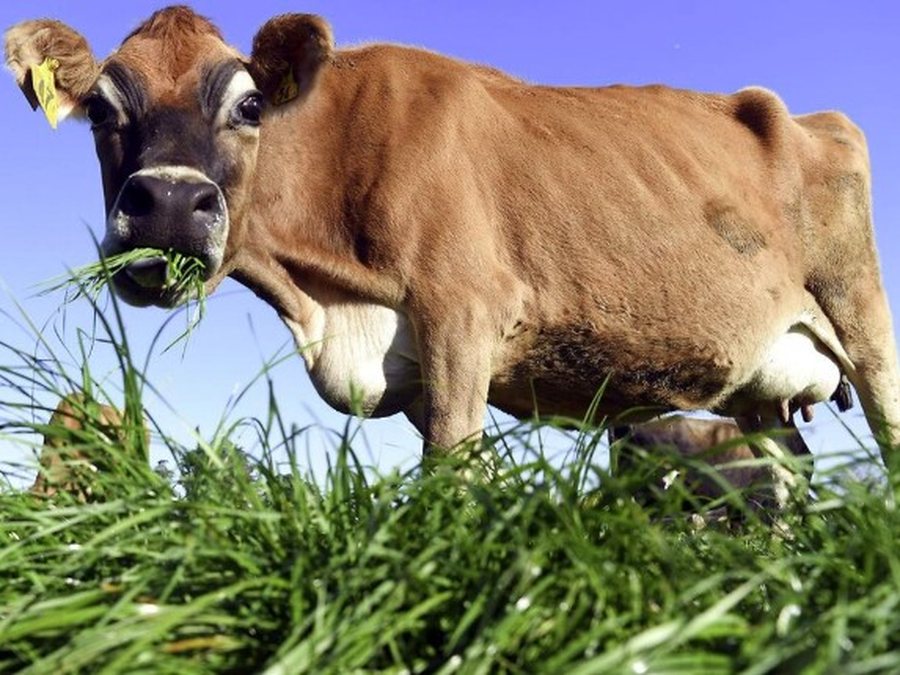
What is permaculture?
A working definition of permaculture: a food-productive copy of nature's biological cycle, built from soil, plants and animals.
Read the guide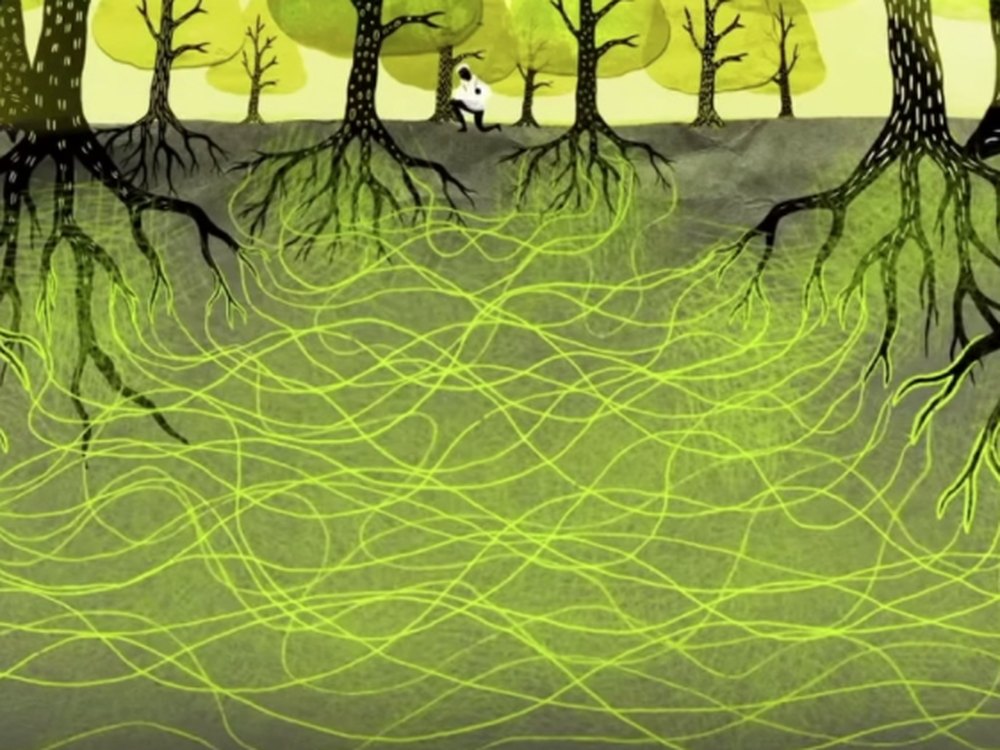
The 12 principles
The twelve design principles permaculture works by, explained in plain language with examples from real farms and gardens.
Read the guide
Three steps to permaculture
Soil, plants and animals — the three steps that turn a farm or garden into a working biological cycle.
Read the guide