Three steps to permaculture
Soil, plants and animals — the three steps that turn a farm or garden into a working biological cycle.
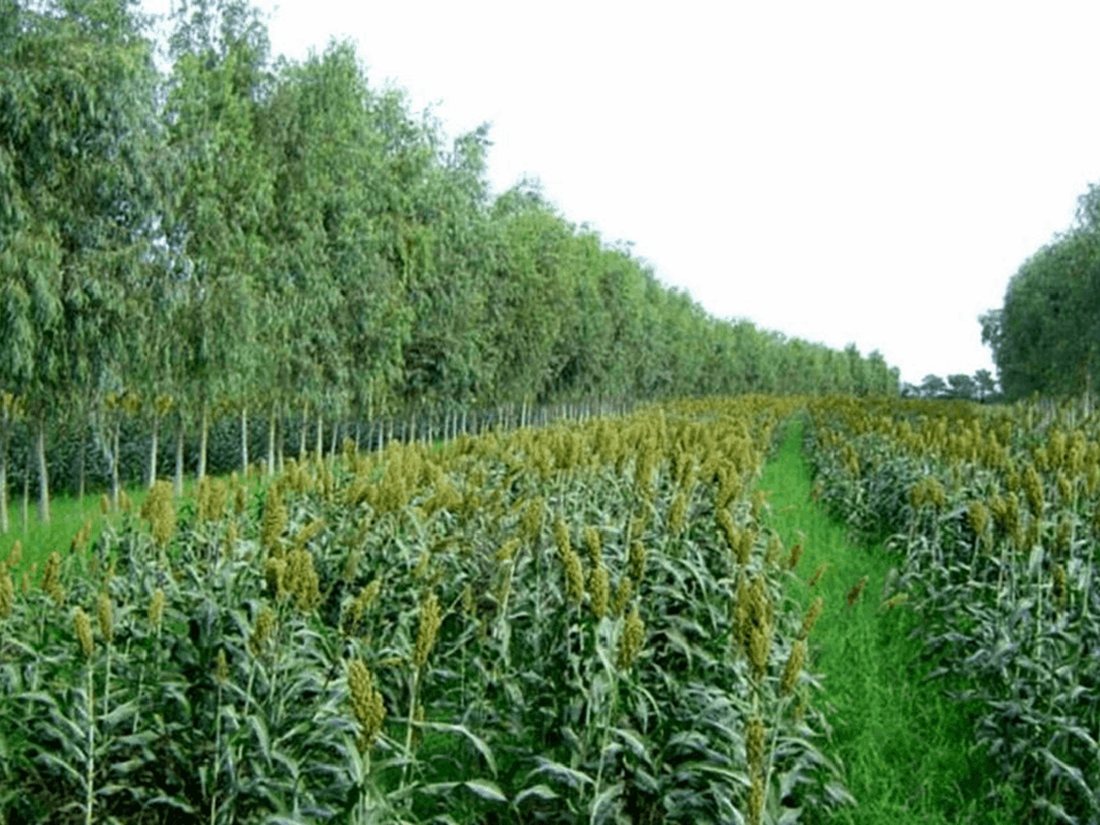
Permaculture Farmers always build a farming system that is a food-productive version of nature's biological cycle. That cycle has three parts — soil, plants and animals — and the work is done in that order, because each step makes the next one possible.
- Soil — build a deep, living foundation.
- Plants — cover it with productive perennials and annuals.
- Animals — let them close the loop.
People are part of the cycle too. A permaculture project is designed for the household, the workers and the visitors who live from it, not only for the crops. That is what makes the system sustainable, regenerative and very productive at the same time.
Step one: soil
Everything rests on soil fertility. A deep living soil has to be formed, and it is the most important part of any project. Crops do not grow on square metres of land; they grow in cubic metres of soil.
Compost is the first unit to build and run, because compost is part of every other unit on the farm. Biocomplete compost puts the missing microbiology back into the soil, and a biological soil test shows what is there and what is missing before anything else is changed. From there, the soil food web — bacteria, fungi, protozoa, nematodes and the visible animals that feed on them — can begin to rebuild itself. Read more about the soil food web.
Water belongs to this step as well. Rain is not something to drain away. It is slowed, spread and stored in channels, ponds and lakes, so that it carries nutrients and biology across the land instead of leaving it. The soil is kept covered all year, because bare ground is the most unstable and least productive state a farm can be in.
Step two: plants
Once the soil can support life, the ground is covered with plants — as many perennials as possible, in the form of trees, shrubs, herbs and vegetables, grown in seven to nine layers as in a natural forest.
The mix matters more than any single crop. Trees, fruit trees, berry bushes, herbs, root plants and mushrooms occupy the same area at different heights and different rooting depths, so they do not compete for exactly the same nutrients. Nitrogen-fixing trees and shrubs come early in the succession, together with cover crops and companion planting that improve the soil while they produce.
Plant succession does the rest. Pioneers are cut and dropped where they grow, or where the material does the most good, and the soil biology breaks it down in place. This builds the forest effect that reaches from one plant belt to the next, across the fields, until the soil food web is restored over the whole farm. The garden and the farm follow the same logic at different scales — see the permaculture garden and permaculture farming.
Step three: animals
Animals are elements of the cycle, not an addition to it. Different animals should have direct or indirect access to the land every year, preferably several times.
Ruminant manure matters most. The microorganisms in a ruminant's stomach are vital for building and maintaining the microbiology in the soil, and cow manure is part of the biology that builds and maintains beneficial insects and nature. Chickens, geese, ducks and rabbits fit easily into a garden; pigs, goats, sheep and cows need more land and a clearer plan. Read more about the smallholding.
The test is whether the animal fits the biological cycle and can live within it. An animal fed from outside the system is a cost; one that closes a loop is an element. The number of animals is decided by what the land can carry, not by what a neighbour is willing to pay for an extra pig.
The steps are one cycle
The three steps are not a checklist to finish and leave. Once they are running, each output becomes an input somewhere else. Soil feeds plants, plants feed animals, and animals feed the soil. A stable is not only a stable; it shelters animals, produces manure and supplies straw. A hedge shelters, fruits and supplies coppice.
Nature produces no waste, only new products.
That is the whole design. Permaculture is not a set of techniques applied one at a time, but one living system in which the three steps support each other. A project is most productive when it is treated as a single organism, from the microbiology in the soil to the animals grazing on top of it.
Where to start
Start with the soil, and start by finding out what is already alive in it. A biological soil test is the cheapest way to avoid a season of guessing, and it decides what the next step should be.
If you would rather have the whole sequence planned for your place — soil, water, plants and animals in the right order — we can make a permaculture design plan. If you are not sure where you are, get in touch and we will look at it with you.
Continue reading
All guides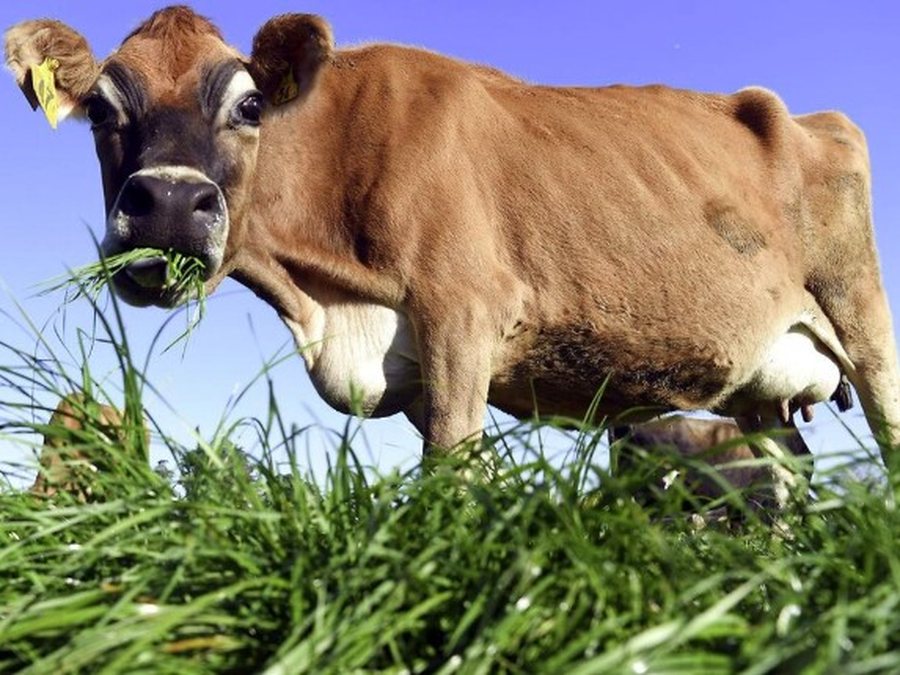
What is permaculture?
A working definition of permaculture: a food-productive copy of nature's biological cycle, built from soil, plants and animals.
Read the guide
What is regenerative agriculture?
Degenerative, generative and regenerative farming — and why a permanent plant cover changes everything.
Read the guide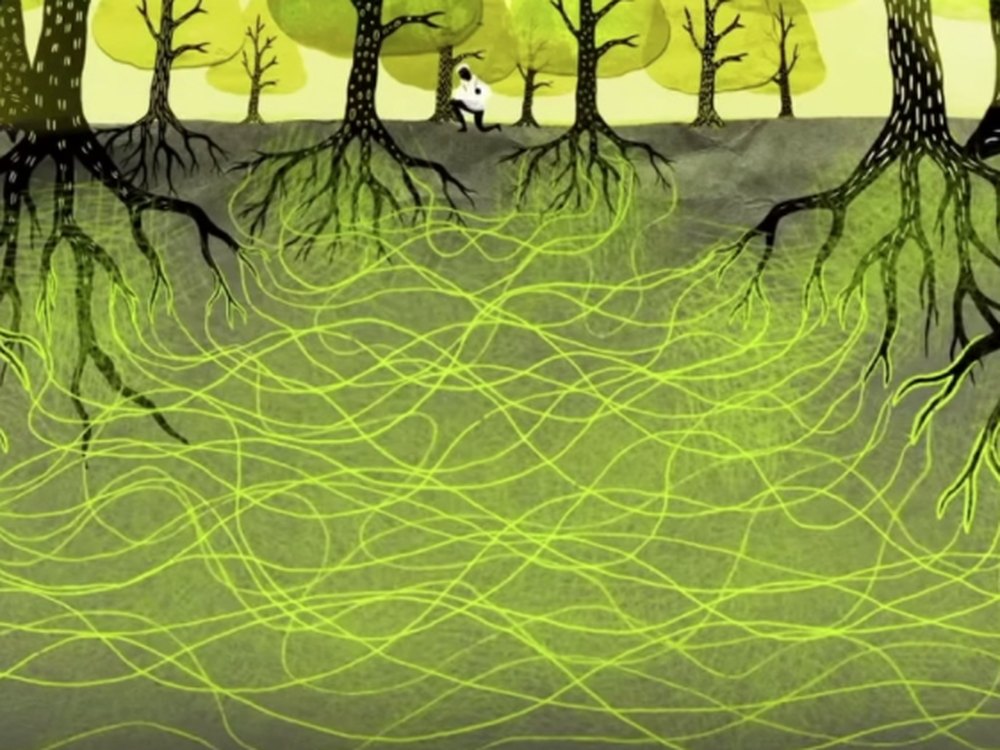
The 12 principles
The twelve design principles permaculture works by, explained in plain language with examples from real farms and gardens.
Read the guide