Service
Biological soil test
Find out what is alive in your soil — and what the food web is missing.
A large part of the world's agricultural land is dead land. The microbiological food chains are simply not there any more, and often the only microorganisms left are the ones that cause disease.
A biological soil test shows what condition your soil is in. It is the difference between guessing and knowing.
What we measure
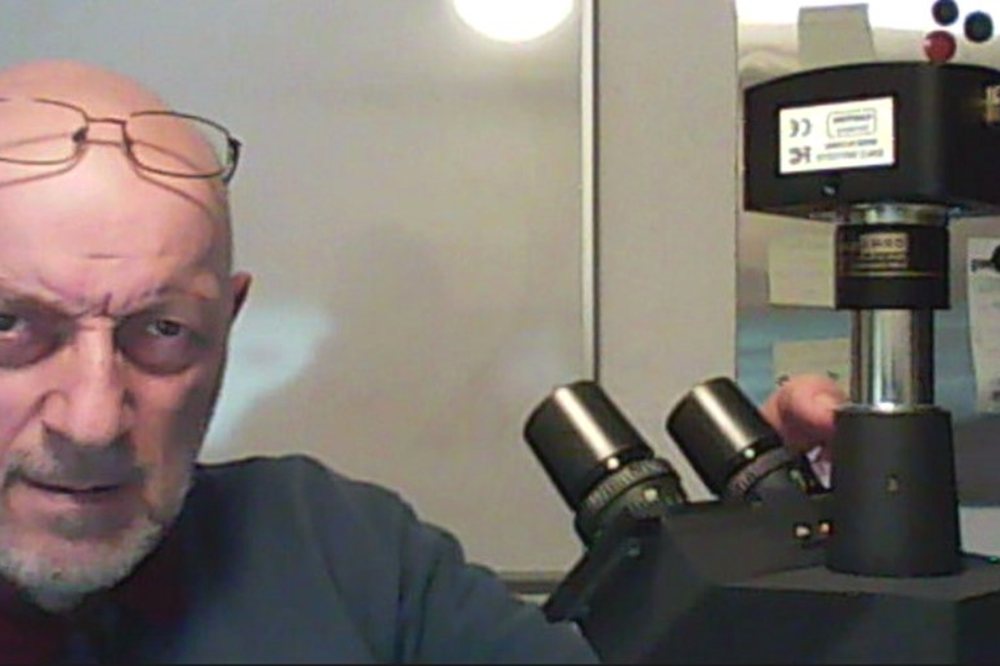
A soil sample is analysed under the microscope for the organisms that make up the soil food web:
- Bacterial biomass
- Fungal biomass
- The fungal-to-bacterial ratio
- Protozoa, including flagellates, amoebae and ciliates
- Beneficial nematodes
- Possibly pathogenic nematodes
The soil's microbiological food chain needs at least five layers of plant-symbiotic microorganisms to function. The test tells us which layers you have, which are missing and how far the soil is from a functioning food web.
Compost testing
We also test compost biologically, so you can know whether your compost contains the entire soil food web. That is what makes the difference between compost that is merely decomposed and compost that can regenerate the microbiology in the soil where it is used.
What you receive
You receive a report with the counts, an interpretation in plain language and a recommendation for what to do next. For most soils, the answer is a combination of biocomplete compost, a permanent plant cover and a change in how the ground is worked.
Re-establishing the soil biology is done by adding the biology back to the soil and the crops. It takes one to three years to regenerate the microbiology, depending on where you start.
See prices or contact us to arrange sampling. If you are outside Denmark, get in touch first so we can agree how to send the sample.
Other services
All servicesNext step
Let's look at your soil.
Tell us where you are, what you grow and what is not working. We will tell you what we would look at first. A soil profile and a biological soil test are telling a lot about the future possibility.