The permaculture garden
Make zones and water : how a garden becomes a working biological cycle that keeps producing for decades.
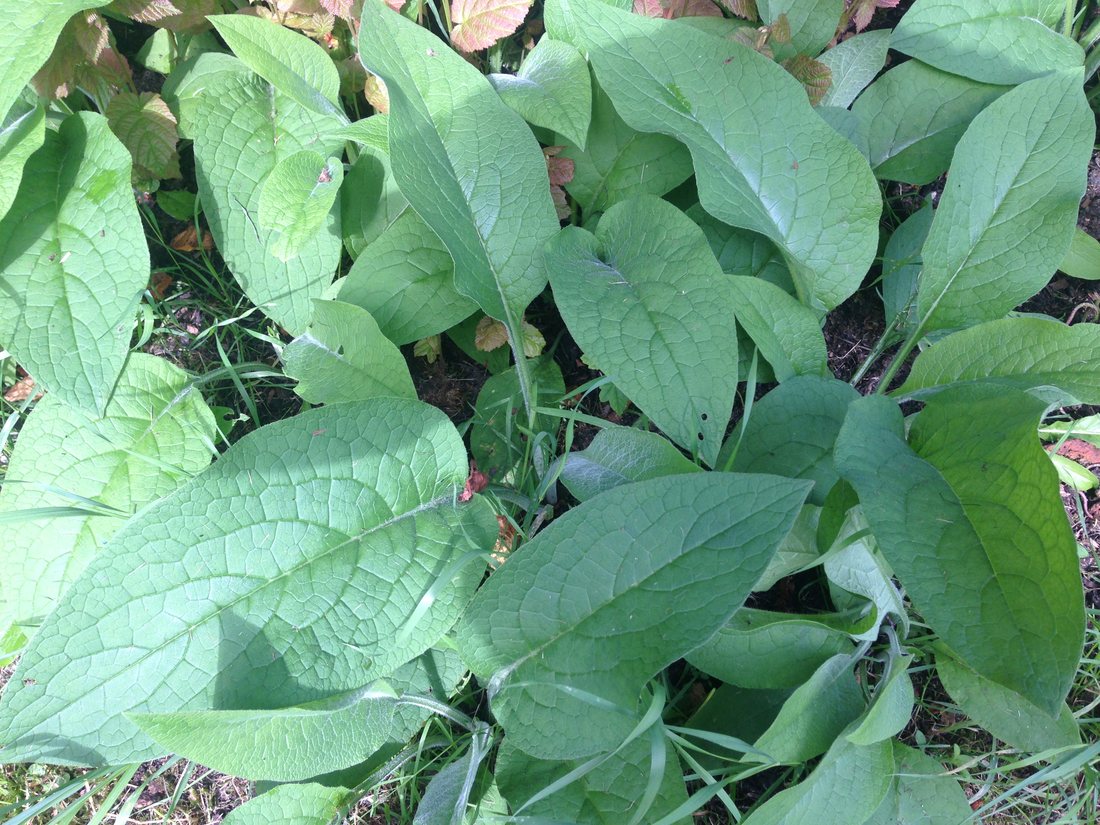
No two permaculture gardens are alike, and they need not serve the same purpose. One may be built to produce as much food as possible, another to be a place full of life and nature. Both are possible, and so is every mixture of the two. What they share is a set of structures that make the garden work as a cycle rather than a set of beds.
Zones 0 to 5
Every permaculture project is divided into six zones, 0 to 5, and large farms often use all six. A garden will often have at least three. Zone 0 is the house. Zone 1 is the part that needs several visits a day, and zone 2 the part that needs a daily visit. The rest depends on the area you have.
Zoning is not a drawing exercise. It decides how far you carry a watering can and how often you walk past a bed, and therefore what you will actually keep on top of.
Food, nature, or both
In some gardens the aim is to produce as much food as possible. Others should be a lovely place with a lot of life, a nature area. Both are possible, and so is a mixture.
This is where the design plan earns its place: it makes clear what is possible on the site and how it can be made, before money goes into plants.
Whatever the purpose, two things are vital in every permaculture garden. The natural biological cycles have to be restored, and rainwater has to be collected. All biological material is recycled, just as it happens by itself in nature.
A closed water cycle
Rainwater from rooftops, greenhouses and other surfaces is collected to create an aquatic environment. Small lakes are made and connected to each other through overflow from one lake to the next, in a closed water cycle.
The lakes are not only a water store. They are a means of transport for energy and nutrients through the biological cycle, which is the base of every permaculture garden. Water that arrives on a roof and leaves through the garden carries fertility with it.
Seven to nine layers
As many perennial plants as possible are used: trees, shrubs, herbs and vegetables grown in up to seven to nine layers, as they are in a natural forest.
The layers matter because they use the same ground at different heights and different depths. A canopy, a shrub layer and a ground layer do not compete for exactly the same space, which is how a forest carries so much growth on one piece of land.
Animals as elements
Animals are elements of the garden, not an addition to it. As many different animals as possible should be part of a permaculture garden, and they must have direct or indirect access to the ground across the whole garden every year.
Small animals are the easy start. Chickens, geese, ducks and rabbits are always excellent features of a permaculture garden. A pig in the garden is often sensible, and if you like goat's milk and have the space, a goat is a smart choice. With more land and room to create grazing, a share-cow can be milked as part of the garden.
The test is whether the animal fits the biological cycle and can live within it. An animal fed from outside the system is a cost; one that closes a loop is an element.
In a city garden, where chickens or other animals may not be allowed, the same principle is met by attracting as many of nature's animals as possible.
Units inside the garden
In larger gardens there can be several units. A unit is a part of the garden where a separate biological cycle is made, one that has an input from the rest of the garden and gives an output back to it.
A unit can be small: a pond, a compost area, a chicken run. What makes it a unit is that you can see what goes in and what comes out, and that nothing leaves as waste.
Production keeps rising for 20 to 30 years
It is all about rebuilding soil fertility, by making a food-producing copy of what nature would do by itself if the land were left untouched.
It takes time, though not as long as it did a few years ago. With current biological knowledge, techniques and technology, a permaculture garden is established and running in just two to three years. Production of vegetables, herbs and especially fruit, berries and nuts then continues to rise until the garden is 20 to 30 years old.
Size is flexible. A garden can be anything from under 500 m² to 1,000 m², and greater in certain circumstances. At one hectare, a garden gives a very high level of self-sufficiency, covering most of the food for a family of four and providing opportunities for sale or exchange as production rises with the age of the garden.
When it becomes a smallholding
There is no fixed size at which a garden turns into a smallholding, because how the land is used matters as much as its area. If there are several larger animals such as goats, pigs and cows, and production of products for sale, the place is better described as a smallholding. Read more about permaculture smallholdings.
Either way, the garden is a cycle before it is a collection of crops. If you want that cycle planned for your own site, from zones and water to layers and animals, book a design plan.
Continue reading
All guides
Permaculture farming
How a farm becomes a complete biological unit — soil, plants, animals + vater and the economics of working with nature.
Read the guide
The smallholding
Three to five hectares, several small cycles and a family income: what a permaculture smallholding can realistically do.
Read the guide
What is permaculture?
A working definition of permaculture: a food-productive copy of nature's biological cycle, built from soil, plants and animals.
Read the guide